
NDT Testing for Metals
NDT for
Building Materials
Purpose: NDT for building materials evaluates the structural integrity and quality of concrete and other construction materials without causing damage. Various techniques like Rebound Hammer, Core Cutting, Half Cell Potential, Carbonation, Ultrasonic Pulse Velocity, and Cover Meter are used to assess strength, corrosion, and durability of concrete.
Applications: Applied in civil engineering for inspecting Structure like buildings, bridges, highways, dams, and marine to ensure structural health and stability with design specifications.
Importance: Verifies the strength, durability, and safety of structures, identifying issues like weak concrete, rebar corrosion, or carbonation that could compromise stability. Ensures long-term performance, prevents structural failures, and supports safe infrastructure development.


.jpeg)
Rebound Hammer
Evaluates concrete surface hardness to estimate compressive strength.
Carbonation Test
Measures carbonation depth in concrete to evaluate durability.
Core Cutting Method
Extracting concrete core from concrete structure for strength and quality testing.
Ultrasonic Pulse Velocity (UPV)
Uses ultrasonic waves to assess concrete quality and detect internal flaws.
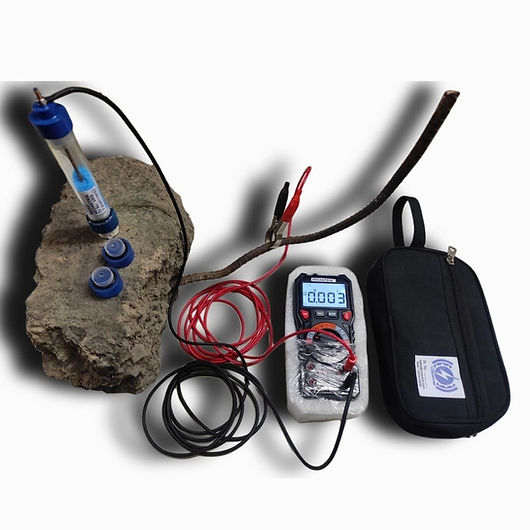
Half Cell Potential Test
Assesses corrosion potential in reinforced concrete.
Cover Meter
Determines the depth of concrete cover over reinforcement bars.